
The Psychology of Gambling Design
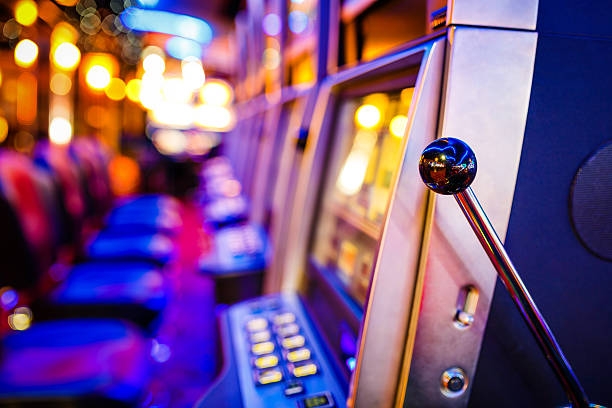
Casinos are meticulously designed with the psychology of players in mind, creating an environment that encourages extended play. One of the key strategies is the implementation of various sensory stimuli, including bright lights, engaging sounds, and vivid colors. These elements are not random; they are purposefully selected to evoke excitement and a sense of urgency, trapping players in a cyclical pattern of engagement. For example, the sounds of coins clinking or the ringing bells of a slot machine trigger positive reinforcement, making players feel rewarded as they continue to gamble at a neosurf deposit casino , which enhances their overall experience and keeps them coming back for more.
Additionally, research shows that the layout of casinos plays a significant role in keeping players inside for longer periods. By creating a labyrinthine structure with no clear exits, players are less likely to leave once they enter. This deliberate design forces them to navigate through rows of machines and tables, each one vying for their attention. As players become immersed in the environment, they lose track of time and their surroundings, further extending their gameplay.
Another psychological tactic is the concept of « near misses, » a phenomenon often seen in games of chance. When players almost win, the brain releases dopamine, heightening the feeling of close success. This trick of the mind encourages players to keep trying, hoping for the elusive big win. Consequently, players are less likely to recognize how much time they have spent or the money they have lost, as they are consumed by the thrill of the game.
The Role of Rewards and Incentives
Casinos often employ a comprehensive rewards system to foster loyalty and encourage players to spend more time gambling. Players may receive points for their wagers, which can be redeemed for various perks such as complimentary meals, hotel stays, or exclusive event tickets. This system not only incentivizes gameplay but also makes players feel valued. The more time and money they invest, the greater the rewards become, reinforcing their commitment to the casino.
Additionally, the implementation of VIP programs creates an exclusive atmosphere for high-stakes players. These programs offer personalized experiences, such as dedicated hosts or tailored promotions, which heighten the sense of importance and belonging. Players feel a strong connection to the establishment and are more likely to spend extended periods gambling. The allure of achieving VIP status can often overshadow the downtime players may consider taking a break, thus keeping them engaged longer than intended.
Moreover, casinos frequently utilize promotional events and contests that provide players with opportunities to win large prizes. These promotions are carefully designed to create excitement and competition among patrons. The thought of winning a substantial jackpot or participating in a thrilling tournament effectively keeps players at the tables longer, as they chase the thrill of victory. Ultimately, the blend of these rewards ensures that players remain captivated, leading to extended gameplay.
The Importance of Ambiance and Comfort
The overall ambiance of a casino is another critical component in its design to encourage prolonged gambling. Many casinos have invested heavily in creating an upscale environment, complete with luxurious furnishings, ambient lighting, and carefully curated music. This inviting atmosphere makes players feel comfortable and at ease, encouraging them to linger longer. Comfortable seating and well-placed amenities, such as bars and restaurants, also contribute to the experience, as players can enjoy refreshments without having to leave their gaming area.
Furthermore, many casinos provide an array of entertainment options, including live shows and music performances, which enhance the overall experience. These forms of entertainment create a vibrant social environment, transforming gambling into a comprehensive leisure activity rather than a solitary pursuit. This blurred line between gaming and socialization keeps patrons engaged and encourages them to stay longer in the casino.
The strategic placement of amenities like restrooms, ATMs, and food courts is also significant. By ensuring that these facilities are conveniently located, casinos minimize the chances of players stepping out for a break. This eliminates the need for players to exit the gaming area, subconsciously keeping them within the casino’s grasp. The combination of an enticing atmosphere and accessible amenities forms an ideal setting for prolonged engagement.
The Role of Technology in Gamification
Recent advancements in technology have significantly enhanced the way casinos engage players, making use of gamification strategies to extend playtime. Digital interfaces and interactive games have transformed traditional gambling experiences, offering players more engaging options. For instance, touch-screen monitors on slot machines allow players to engage with the game in a more interactive manner, creating a sense of control that is highly appealing.

Additionally, the use of real-time statistics and leaderboards can heighten competition among players. When individuals see their rankings and those of their peers, it fosters a spirit of competition that compels them to continue playing. This competitive edge not only drives players to gamble longer but also cultivates a community of players who encourage each other to stay longer in pursuit of higher ranks and better rewards.
Furthermore, many casinos now incorporate mobile apps that allow players to engage with games remotely. This tech-savvy approach ensures that players can remain connected to the casino even when they are not physically present. By offering features such as promotional alerts and virtual rewards, casinos ensure that players are continuously reminded of the gaming experience, keeping them engaged and more likely to return for more time spent in their establishments.
Understanding Casino Strategies for Player Retention
To effectively maximize player retention, casinos leverage a combination of psychological principles and strategic marketing. Understanding how human behavior works helps these establishments tailor their offerings to create an environment that captivates players. By employing comprehensive analytics and tracking player behavior, casinos can personalize experiences that resonate with individual preferences and habits, further ensuring that players remain engaged.
Moreover, the continuous evolution of casino strategies also involves feedback loops. By gathering data on player preferences and reactions to various incentives, casinos can continuously refine their offerings to ensure they resonate with the target audience. This adaptability keeps the gaming experience fresh and exciting, enticing players to return and engage longer with the casino.
Ultimately, the combination of a physically immersive environment, psychological manipulation, and modern technology creates a powerful formula for player retention. It is the harmonious integration of these elements that ensures casino patrons are encouraged to stay longer, often resulting in increased spending and an unforgettable experience. As casinos continue to innovate, their strategies for attracting and retaining players will likely evolve, presenting new opportunities for both players and the establishments themselves.